
Creating the Ultimate Hiking Gear Checklist
Embarking on a hiking adventure can be an exhilarating experience, yet it demands meticulous preparation. Whether you are a seasoned hiker or a novice eager to explore the great outdoors, crafting the ultimate hiking gear checklist is essential to ensure a safe and enjoyable journey. This guide will help you assemble the perfect array of gear tailored to your needs, while reflecting the spirit of discovery and preparation.
Essential Clothing and Footwear
Comfort and protection are paramount when selecting clothing and footwear for hiking. Opt for moisture-wicking fabrics that help regulate body temperature and keep you dry. A sturdy pair of hiking boots with good ankle support is indispensable for navigating rough terrains. Layering your clothing is key—start with a base layer, add an insulating layer, and finish with a waterproof outer shell to shield against unpredictable weather changes.
Navigation and Safety Gear
A successful hike relies heavily on reliable navigation tools. Equip yourself with a map and compass, or a GPS device to ensure you stay on course. Don’t forget a first aid kit, filled with essentials like bandages, antiseptic wipes, and pain relievers, to address minor injuries on the trail. A whistle and multi-tool can be lifesavers in emergencies.
Nourishment and Hydration
Keeping your energy levels up is crucial during a hike. Pack lightweight, high-energy snacks such as trail mix, energy bars, and dried fruits. Hydration is equally important, so carry a reusable water bottle or a hydration reservoir to maintain adequate fluid intake.
Additional Gear for Comfort
Consider packing a hat and sunglasses for sun protection, along with insect repellent to ward off bothersome bugs. A lightweight backpack will help you carry your essentials comfortably without adding unnecessary strain.
By thoughtfully curating your hiking gear checklist, you’re not only preparing for the elements but also enhancing your overall hiking experience. Remember, the right gear can transform a simple hike into an unforgettable adventure, paving the way for countless more explorations.
Understanding Your Hiking Gear Needs
Embarking on a hiking adventure requires more than just enthusiasm—it demands preparation and the right gear. Whether you’re a seasoned trekker or a novice exploring the great outdoors for the first time, understanding your hiking gear needs is essential. This ensures not only your comfort but also your safety as you traverse diverse terrains. Let’s delve into the crucial aspects of selecting the appropriate hiking equipment tailored to your specific journey.
Evaluate the Terrain and Weather Conditions
Before heading out, it’s vital to assess the nature of the terrain you’ll encounter. Are you navigating rocky mountain paths, forest trails, or gentle hills? Each of these environments requires different gear considerations. For instance, sturdy hiking boots with excellent grip are crucial for rocky surfaces, whereas lightweight shoes may suffice for less demanding trails. Additionally, consider the weather conditions. Layered clothing is a wise choice for unpredictable weather, allowing you to adjust to temperature changes with ease.
Consider the Duration of Your Hike
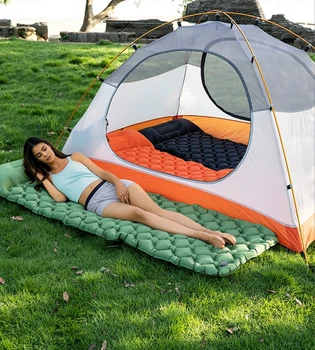
The length of your hiking trip significantly influences the gear you should pack. A day hike might require just a small backpack with essentials such as water, snacks, and a basic first aid kit. In contrast, a multi-day expedition demands a more comprehensive packing list, including a tent, sleeping bag, and sufficient food supplies. Always aim to balance weight and necessity to maintain comfort during your trek.
Prioritize Safety and Comfort
Your hiking gear must prioritize your safety and comfort. Essential items include a map and compass or GPS device to prevent getting lost, a reliable source of lighting like a headlamp, and weather-resistant clothing. Moreover, comfort cannot be overlooked. Ensure your backpack is well-fitted to avoid strain, and invest in moisture-wicking clothing to keep you dry and comfortable throughout your journey.
Understanding and aligning your gear with your hiking needs not only enhances the experience but also ensures you are well-prepared for any challenges nature may present. This thoughtful consideration of equipment will pave the way for a memorable and enjoyable outdoor adventure.
Top Hiking Gear Essentials for Every Adventure
Embarking on a hiking adventure is an exhilarating way to connect with nature and challenge oneself physically. However, to ensure a safe and enjoyable experience, it’s crucial to equip yourself with the right hiking gear. Whether you’re a seasoned trekker or a novice explorer, having the essential items can make a significant difference in your outdoor pursuits.
Footwear: The Foundation of Comfort
Footwear is arguably the most critical component of your hiking gear. Opt for sturdy, well-fitted hiking boots that provide excellent ankle support and grip. The right pair will help you navigate rocky terrains and prevent blisters, enhancing your overall hiking experience.
Navigation Tools: Stay on the Right Path
In the age of digital technology, it’s tempting to rely solely on GPS devices. However, traditional navigation tools such as a topographic map and compass are invaluable. These tools ensure you’re never lost, even in areas with poor satellite signals, keeping your adventure on track.
Clothing: Adapt to Nature’s Elements
- Layering: Dressing in layers allows you to adjust to changing weather conditions. Consider moisture-wicking base layers, insulating mid-layers, and a waterproof outer layer.
- Accessories: Hats, gloves, and sunglasses protect you from sun and cold.
Safety Gear: Be Prepared
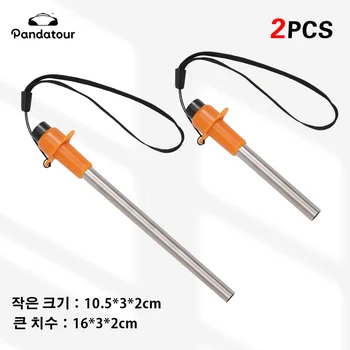
Safety should always be a priority. Carry a first-aid kit tailored to potential injuries you might encounter. Additionally, a multi-tool and fire-starting equipment can be lifesavers in emergencies.
Equipping yourself with these essentials not only ensures safety but also enhances the joy and freedom of exploring the great outdoors. As you pack your gear, remember that each item plays a pivotal role in your adventure, offering support, safety, and comfort throughout your journey.
Choosing the Right Hiking Backpack
Embarking on a hiking adventure necessitates the right gear, and at the heart of your readiness is the selection of a suitable hiking backpack. This essential piece of equipment not only carries your necessities but also ensures comfort and efficiency throughout your trek. When choosing the ideal backpack, several factors come into play, each contributing to the overall hiking experience.
Size and Capacity
One of the first considerations is the size and capacity of the backpack. Depending on the length of your hike, whether it’s a day trip or a multi-day expedition, the size you choose will vary. Daypacks are perfect for short hikes, typically offering 20 to 30 liters of storage. For extended trips, you might need a backpack with a capacity ranging between 50 to 70 liters. Ensure your backpack can comfortably hold all essentials, including water, food, clothing, and emergency gear.
Fit and Comfort
The backpack’s fit is crucial for comfort and ease during your hike. Look for adjustable straps and a proper fitting hip belt, which help distribute the weight evenly across your body, reducing strain on your shoulders and back. Some backpacks also offer ventilation features to keep your back cool and dry, especially during rigorous climbs.
Material and Durability
Durability is vital, as hiking involves exposure to different weather conditions and terrains. Choose a backpack made from robust, water-resistant materials that can withstand the elements and rough handling. Reinforced stitching and strong zippers add to the backpack’s longevity, making it a reliable companion on numerous adventures.
Accessibility and Features
Consider the accessibility and additional features of the backpack. Easy access to compartments, hydration compatibility, and external gear loops can enhance your hiking experience. These features ensure you are well-prepared and organized, allowing you to focus on the journey rather than the logistics.
Choosing the right hiking backpack is a pivotal step in preparing for your outdoor adventures. By considering size, fit, durability, and features, you can ensure that your backpack meets your specific needs and enhances your overall experience on the trail, paving the way for unforgettable hiking escapades.
Importance of Lightweight and Durable Hiking Equipment
Embarking on a hiking adventure can be a transformative experience, offering both physical challenge and a deep connection with nature. However, the key to a successful trek often lies in the quality of your gear. Lightweight and durable hiking equipment is essential for several reasons, making it a cornerstone of any outdoor enthusiast’s checklist.
Enhanced Mobility and Comfort
First and foremost, lightweight gear significantly enhances mobility. When your backpack is free from unnecessary weight, every step feels more natural and less laborious. This is particularly crucial on long treks where even the slightest excess weight can exacerbate fatigue. Moreover, lightweight equipment often means more compact designs, allowing for easier packing and organization, which translates to greater comfort on the trail.
Durability for Varied Terrain
Durability is equally critical when it comes to hiking gear. Trails can be unpredictable, with conditions ranging from rocky paths to muddy slopes. Durable equipment stands up to these challenges, providing reliability and safety. Investing in high-quality materials ensures that your gear will withstand the rigors of the environment, reducing the risk of damage that could potentially derail your adventure.
Balance Between Weight and Strength
While lightweight and durable may seem contradictory, innovations in outdoor gear manufacturing have made it possible to achieve both. Modern materials like carbon fiber and high-grade aluminum offer exceptional strength without the burden of extra weight. This balance is key to maintaining agility and resilience on the trail.
Long-Term Cost Efficiency
Finally, while lightweight and durable gear might require a higher initial investment, it often proves more cost-effective over time. High-quality products reduce the need for frequent replacements, providing long-term savings and ensuring you are always equipped for your next adventure.
In conclusion, the importance of choosing lightweight and durable hiking equipment cannot be overstated. It not only enhances your hiking experience by improving comfort and mobility but also ensures safety and reliability in diverse conditions. As you prepare for your next outdoor excursion, prioritize gear that offers the perfect synergy of lightness and durability to maximize both your enjoyment and peace of mind.
What to Look for in Hiking Boots
Choosing the right hiking boots is a critical step for any outdoor enthusiast. The ideal pair can transform your hiking experience, offering comfort, support, and protection against the diverse terrains you might encounter. Here’s a guide to help you make an informed decision when selecting your next pair of hiking boots.
1. Fit and Comfort
When it comes to hiking boots, fit is paramount. A well-fitting boot should feel snug but not tight, offering ample room for your toes to wiggle while ensuring your heel doesn’t slip. Consider trying on boots at the end of the day when your feet are naturally slightly swollen to ensure a realistic fit. Wearing the same type of socks you plan to hike in can also provide a more accurate measure of comfort and fit.
2. Material and Breathability
The materials used in the construction of hiking boots significantly affect their durability and breathability. Leather is generally more durable and water-resistant, whereas synthetic materials offer enhanced breathability, making them ideal for warmer climates. Evaluate the climate and terrain you frequently hike in to decide which material suits you best.
3. Support and Stability
Support features like ankle collars and midsole designs are crucial for stability and reducing the risk of injury. Depending on your hiking environment, you may need boots with excellent ankle support, especially for uneven or rocky trails. Meanwhile, a well-cushioned midsole will absorb shock and provide comfort over long distances.
4. Weight and Versatility
While heavier boots may offer more protection, lighter boots can be more comfortable for long treks. Consider your hiking style and the typical duration of your hiking trips to determine the ideal weight for your needs. A versatile pair of boots that offer a balance between weight and durability can be a valuable addition to your gear.
Choosing the right hiking boots involves a blend of personal preference and practical considerations. By focusing on fit, material, support, and weight, you can ensure your boots not only enhance your hiking experience but also protect your feet on all your adventures. As you gear up for your next hike, remember that the right pair of boots can make all the difference.
Trekking Poles and Their Role in Mountain Hiking
The often-overlooked trekking poles are an essential tool for mountain hiking, offering a range of benefits that can enhance your outdoor experience significantly. Whether you’re navigating rocky paths or steep ascents, these poles provide stability and reduce strain on your body, making them a must-have for any hiking enthusiast aiming to conquer the great outdoors.
Stability and Balance
One of the primary advantages of using trekking poles is the additional stability they provide. When traversing uneven terrain, these poles act as additional points of contact, helping to maintain balance and prevent falls. This is particularly beneficial on slippery surfaces, where even the most experienced hikers can struggle to keep their footing.
Reduced Physical Strain
Trekking poles also play a crucial role in reducing physical strain, particularly on the knees and lower body. By distributing weight more evenly across your arms and legs, they help to alleviate pressure on your joints. This can be especially advantageous during long hikes or when carrying a heavy backpack, allowing you to hike longer distances with less fatigue.
Enhanced Performance
In addition to increasing stability and reducing strain, trekking poles can enhance overall hiking performance. By using poles to propel yourself forward, you can increase your walking speed and efficiency. This can be particularly useful when hiking in challenging conditions, such as high altitudes or in inclement weather.
In conclusion, incorporating trekking poles into your hiking gear can significantly improve your experience, ensuring both safety and efficiency on the trails. As a key component of any comprehensive hiking checklist, they support your goals of exploring new heights while maintaining comfort and safety. Whether you’re a seasoned hiker or a novice adventurer, trekking poles are an investment that will pay dividends on every trek.





0 Comments